Nalanda Literature Festival logo

Home · About Us

About Us

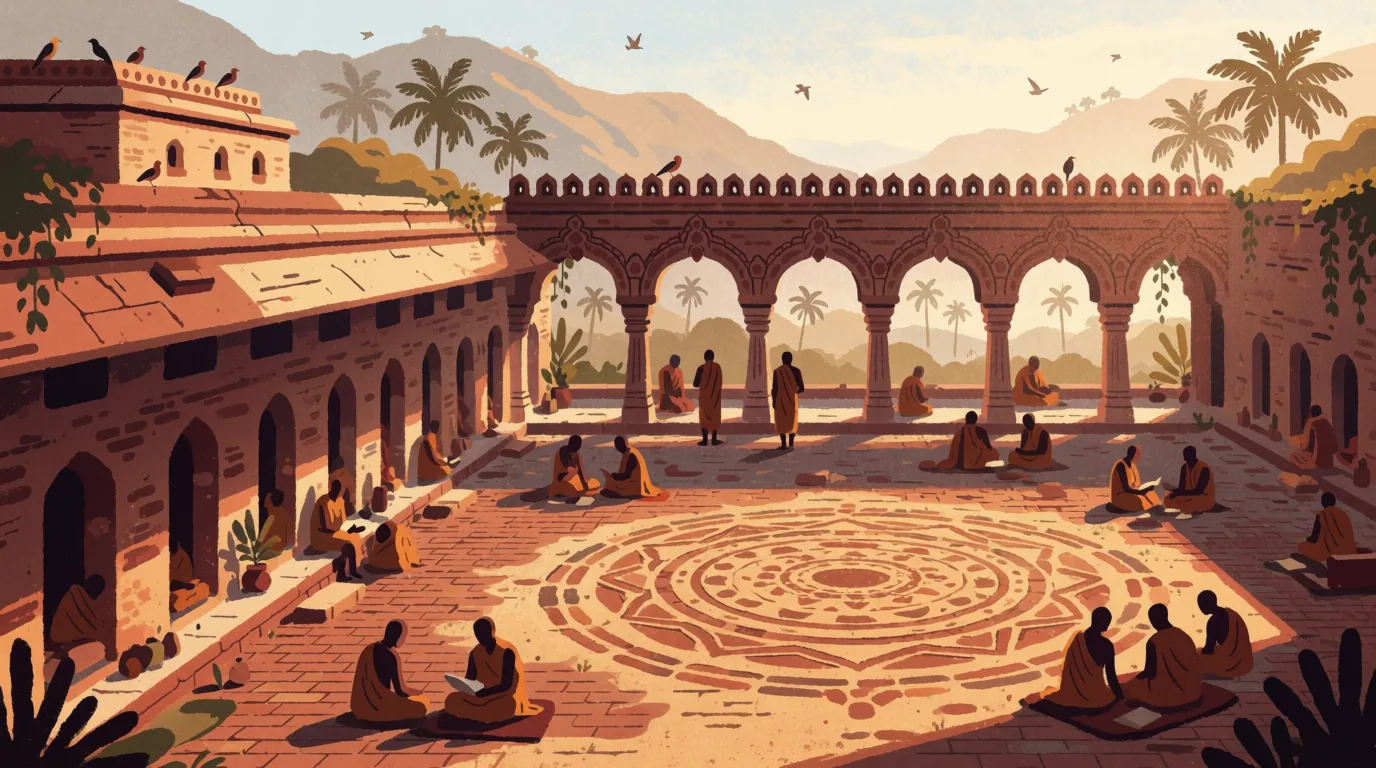
Illustration of monks reading and gathering in the arched courtyard of an ancient Nalanda monastery

NALANDA LITTFEST

About Nalanda LittFest (NLF)

The Nalanda Literature Festival is a celebration of ideas, knowledge, and cultural exchange, drawn from the living legacy of Nalanda, one of the world's oldest centres of learning. Set against the historic backdrop of Rajgir and the Nalanda ruins, it gathers thinkers, writers, artists, scholars, and audiences from across the globe around a single, deceptively simple idea: Nalanda in the world, and the world in Nalanda.

NLF is more than a literary gathering. It is a confluence of disciplines, generations, cultures, science, and perspectives, where ancient wisdom sits down with contemporary literature, policy, and technology, and neither is asked to defer to the other. It is a space where tradition meets innovation, and dialogue becomes the bridge between what India has known and what it is still finding out.

Origin & Journey

Origin & Journey

The Nalanda Literature Festival was initiated in 2025 to revive the intellectual spirit of ancient Nalanda in a contemporary format, drawing on centuries-old traditions of debate, discourse, and scholarship to build a modern platform for conversations that matter.

In a short time, it has grown into a global stage for ideas, without ever loosening its grip on the regional identity and heritage it began with.

Explore Our Ethos

Core Focus

Legacy, Language, Literature

Reviving Traditions

Reviving and honouring India's classical and contemporary languages and literary traditions, not as museum pieces, but as living practice.

Global Exchange

Encouraging literary exchange at every scale: regional, national, global, with a deliberate spotlight on Bihar and the Northeast.

Inclusive Platform

Building a platform where every kind of voice finds its audience: from centuries-old folklore to writing that hasn't found its form yet.

Diaspora, Critically Read

Diasporic literature held up to honest scrutiny: the cultural barriers it crosses, and the ones it doesn't, examined rather than celebrated by default.

Literature to Livelihood

Literature linked to modern science and employment generation, because a tradition survives longest when it can also support the people carrying it forward.

Beyond the Festival

Year-Long Engagement

Nalanda is not a single week in the year. Between editions of the main festival, six signature programmes carry its spirit across cities, campuses, and countries, turning an annual event into a movement that never quite goes home.


Nalanda Dialogues

Conversations on ideas, philosophy, and identity, carried to eight cities across India and two destinations abroad: the festival's advance party.

Nalanda Parampara

Where local writers, artists, and cultural practitioners get the audience their work has long deserved.

Nalanda Daksha

Recognised courses in publishing, archiving, translation, and cultural management, building the skills literary Bihar's next generation will need.

Nalanda Sathi

Fellowships walking alongside young writers through research, editing, translation, and the long road to publication.

Bhasha Rath

A travelling chariot of language and storytelling, carrying activities into schools and colleges across India and abroad.

Nalanda Mahaparva

The four days everything else has been building toward: the main festival on Language, Literature, and Legacy.

From Event to Institution

A Permanent Home for Ideas

NLF is growing from a festival into a lasting knowledge institution, ambitious enough to invoke the ancient Mahavihara, grounded enough to answer to the present. Six long-term initiatives anchor that ambition.

Nalanda Knowledge Archives

A digital and physical archive of sessions, transcripts, translations, oral histories, and research, open to scholars, students, and anyone curious enough to look.

The Fellowship Programme

Structured support for translation: between Indian languages, into English, and out of endangered and oral traditions before they go quiet for good.

The Bihar and North-East Corridor

Residencies, joint publications, and exchanges that treat undivided Bihar and the North-East as the connected literary geography they've always been.

The Future of Knowledge

Hands-on work with AI, digital humanities, and generative storytelling, with contests built for a generation of creators Nalanda hasn't met yet.

Storytelling and Oral History Lab

A space to record, preserve, and reinterpret the voices formal archives tend to miss: the ones that only ever lived in memory and in the telling.

The Nalanda-Rajgir-Bodh Gaya-Vaishali Circuit

A literary tourism circuit linking four of Bihar's most storied ground, turning a five-day festival into a route people can walk the other 360 days of the year.

The People Behind NLF

The Team

Nalanda is shaped by a committee of scholars, artists, administrators, and cultural leaders who guide its vision and carry its work forward across the year: the people who make the festival possible.
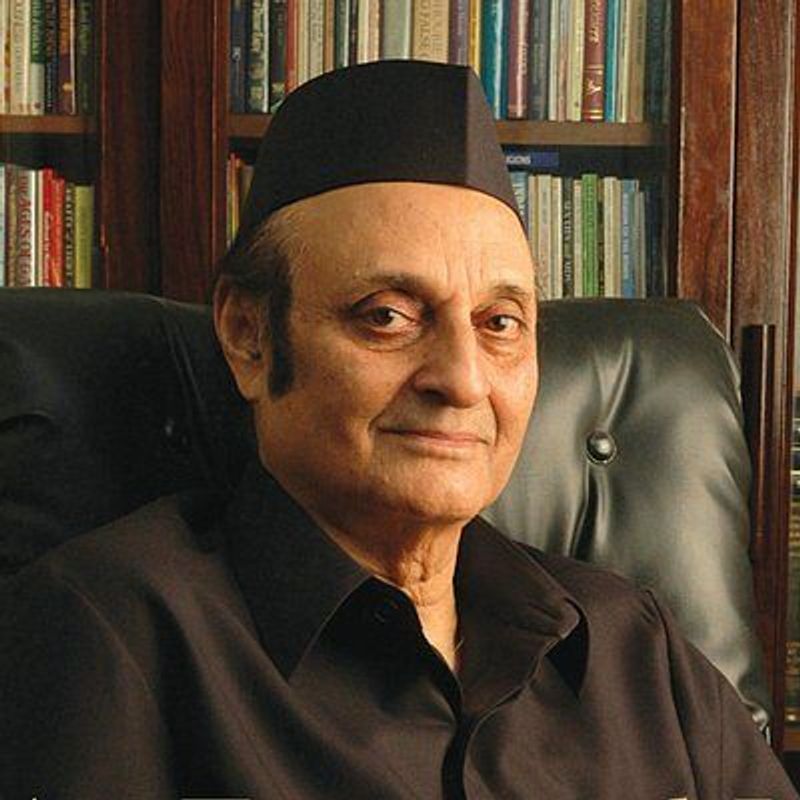
Padma Vibhushan Dr. Karan Singh

Padma Vibhushan Dr. Karan Singh

President & Patron

Born heir apparent to Maharaja Hari Singh and Maharani Tara Devi of Jammu & Kashmir, Dr Karan Singh entered public life at eighteen as Regent in 1949. He later served as Sadar-i-Riyasat and Governor of Jammu & Kashmir, and became India’s youngest Union Cabinet Minister under Indira Gandhi at the age of thirty-six. A distinguished statesman, scholar, and author, he has held key roles in major cultural and academic institutions, served as India’s Ambassador to the United States, and contributed significantly to interfaith dialogue, education, and wildlife conservation. Awarded the Padma Vibhushan, he is also known for his writings on philosophy, politics, and Indian culture

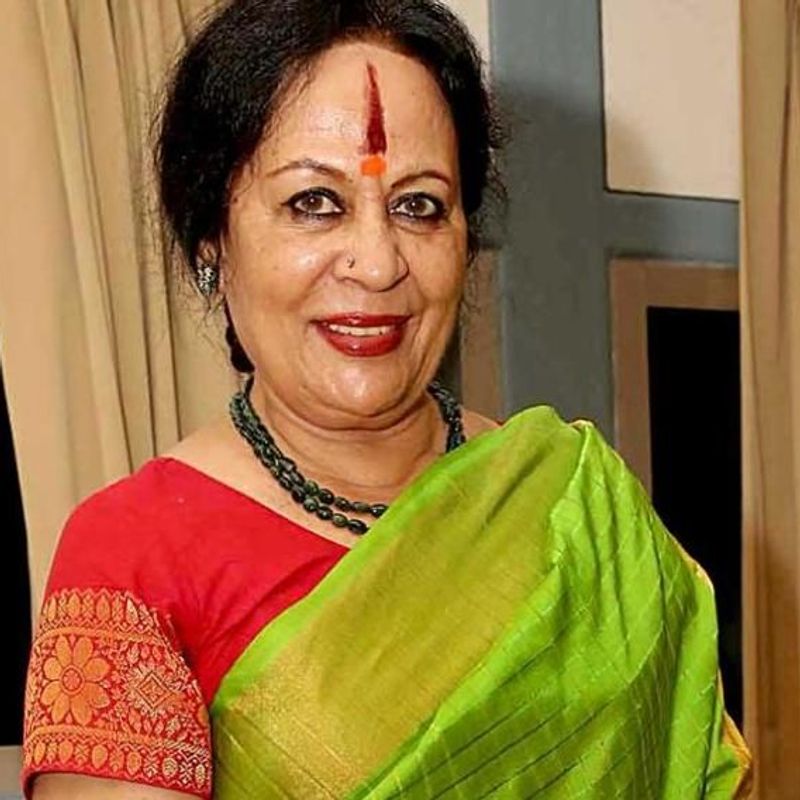
Padma Vibhushan Dr. Sonal Mansingh

Padma Vibhushan Dr. Sonal Mansingh

Chairperson, Organising Committee

Padma Vibhushan Dr. Sonal Mansingh is an iconic cultural figure, internationally renowned as an artist, cultural educator, guru, scholar, author, motivational speaker, kathakar, and social activist. She is acclaimed for her ability to interlink cultural interpretations of philosophy, literature, sculpture, and mythological parable with their influence on India's socio-cultural fabric. As a celebrated classical dancer, she has used her art to address contemporary issues including ecological imbalance, environmental protection, women's empowerment, and social justice for marginalised communities. Her creative vision has produced several path-breaking choreographies, and she has performed, lectured, and conducted workshops in more than ninety countries. She revived the ancient art of Natya-Katha, blending song, narrative craft, and abhinaya into an immersive storytelling experience drawing on mythology, literature, and social themes. Her renowned choreographies, among them Devi Durga, Draupadi, Indradhanush, Manavata, Sabras, Aatmayan, Mera Bharat, and Mukti, reflect a deep engagement with Indian mythology and its continuing relevance. As Founder-President of the Centre for Indian Classical Dances, established in 1977, she has trained thousands of artists, and the institution remains one of the most respected hubs for classical dance education in India. In July 2018 she was nominated by the President of India to the Rajya Sabha, becoming the first classical dancer to receive this distinction. She was chosen as one of the Navaratnas for the Swachh Bharat Mission by Prime Minister Narendra Modi in 2014, and the Government of Assam conferred on her the Srimanta Sankardeva Award in 2023. Her commitment extends beyond performance. She has served as Chairperson of the Sangeet Natak Akademi and is currently serving her second term as a trustee of the Indira Gandhi National Centre for the Arts. She is a visiting professor at IIT Kharagpur and a member of the Society of the Indian Institute of Advanced Study, Shimla. Her journey has been widely documented: Prakash Jha's National Award-winning documentary Sonal (2002), her Hindi biography Devapriya by Yatindra Mishra (2010), and Sonal Mansingh: A Life Like No Other by Sujata Prasad (2017). She has authored Incredible India: Classical Dances of India, and her recent writings are collected in A Zigzag Mind. Her extensive knowledge of Indian classical music, vocal and instrumental, and her proficiency in multiple Indian languages enrich her artistic expression, while her global experience shapes an inclusive vision of the performing arts as catalysts for harmony, coexistence, and the ancient Indian ethos of Vasudhaiva Kutumbakam, the world as one family.

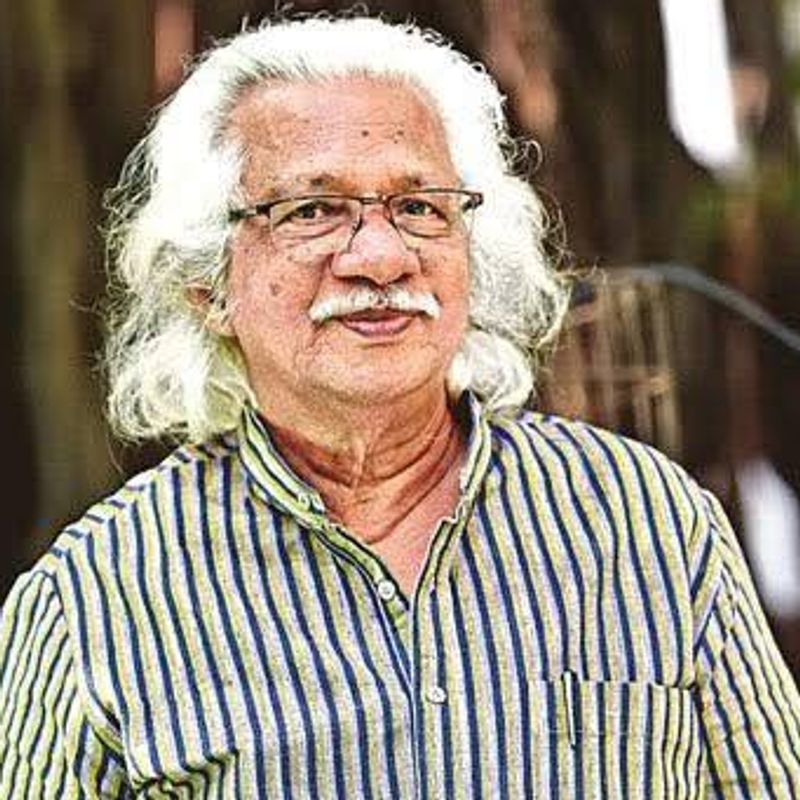
Padma Vibhushan Dr. Adoor Gopalakrishnan

Padma Vibhushan Dr. Adoor Gopalakrishnan

Member, Organising Committee

Padma Vibhushan Shri Adoor Gopalakrishnan is an acclaimed filmmaker and screenwriter, widely regarded as a pioneer of New Indian Cinema. Known for his artistic vision and realist storytelling, he has directed several modern classics, including Swayamvaram, Elippathayam, and Mathilukal. Over a career spanning more than five decades, he has been honoured with the Dadasaheb Phalke Award, multiple National Film Awards, and international recognitions including the French Legion of Honour, Commander of the Order of Arts and Letters, and the British Film Institute Award. Deeply rooted in Kerala's cultural landscape, his films are celebrated worldwide for their originality, narrative depth, and cinematic excellence.

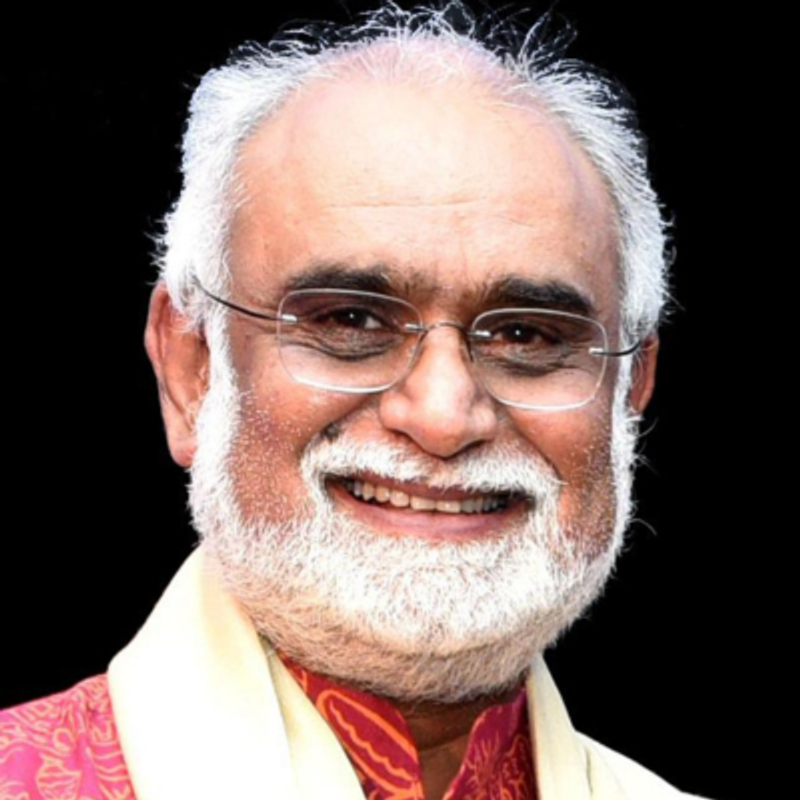
Dr. Sachchidanand Joshi

Dr. Sachchidanand Joshi

Member, Organising Committee

Dr. Sachchidanand Joshi, Member Secretary of the Indira Gandhi National Centre for the Arts, New Delhi, is a distinguished academic, writer, and cultural thinker. A passionate advocate for the arts, he has been actively associated with theatre, television, and literature. He is the author of three poetry collections and six short story collections, including the widely acclaimed Putrikameshti and Maidan Mat Chhodna. His literary work spans poetry, fiction, satire, drama, travelogue, essay, and art criticism, and his publications include two books on the history of journalism and the popular anthology Sachchidanand Joshi Ki Lokpriya Kahaniyan. He has edited several significant works, most notably Sabka Saath Sabka Vikas, a seven-volume compilation of Prime Minister Narendra Modi's speeches, and Connecting Through Culture, an influential book on India's soft power. Over the course of his career he has held several prestigious academic positions, becoming a Registrar at 32 and a Vice-Chancellor at 42, and he played a key role in establishing two universities of journalism and mass communication in India.

Ms. D. Aaliya

Ms. D. Aaliya

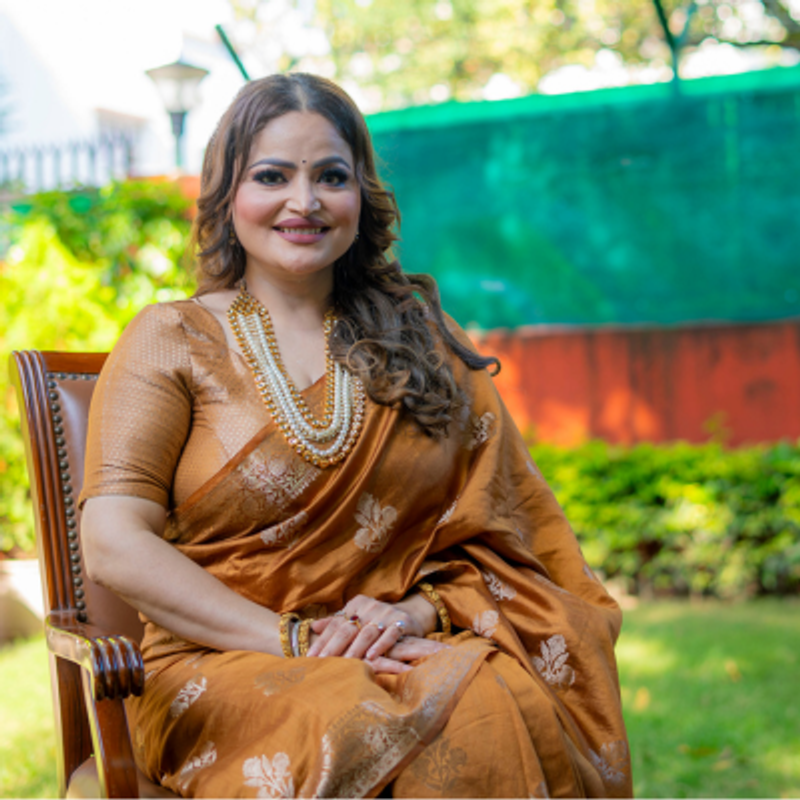
Festival Chairperson

Ms. D. Aaliya is an entrepreneur and social activist from Bihar, dedicated to the preservation and promotion of art, culture, and community welfare, and deeply committed to empowering marginalised communities, particularly women and children. As Managing Trustee of Dhanu Bihar and the Shining Muskan Foundation, she plays a pivotal role in a wide range of welfare initiatives focused on education, healthcare, rural development, and cultural preservation. Under her leadership, Dhanu Bihar has significantly expanded its outreach, working to ensure that people from all backgrounds have access to the resources they need for a better and more dignified future.

Sh. Harshvardhan Neotia

Sh. Harshvardhan Neotia

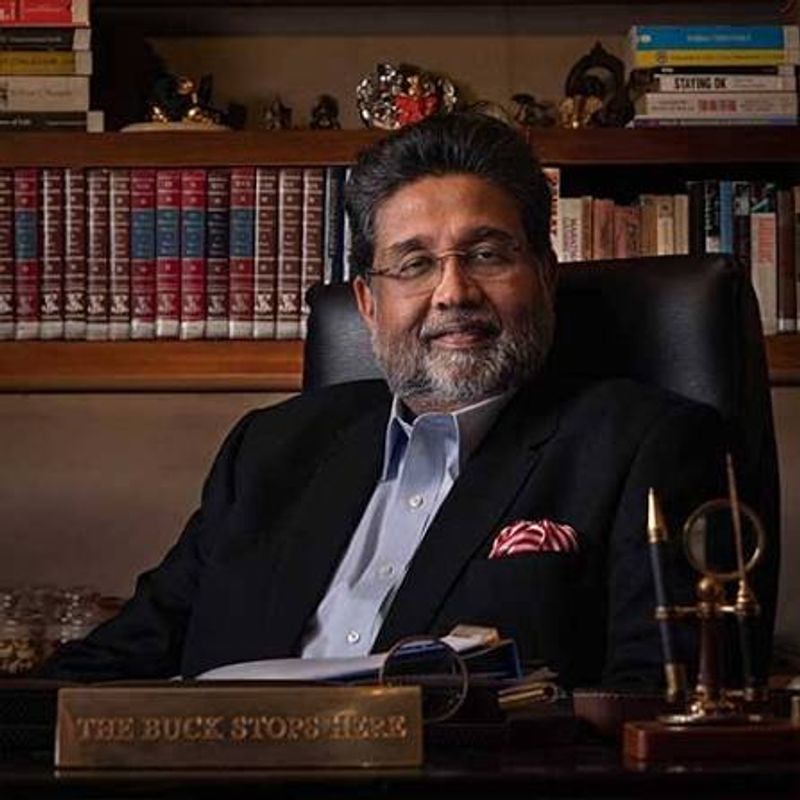
Festival Advisor

Founder of one of India's earliest joint-sector companies, Bengal Ambuja Housing Development Limited, established in partnership with the Government of West Bengal. His maiden project, Udayan, was recognised by the Government of India as a Model Housing Project. He serves as a Member of the Board of Governors of IIM Calcutta and as a Board Member of the Indira Gandhi National Centre for the Arts (IGNCA). For his pioneering contributions to social housing, he was conferred the Padma Shri in 1999. He has also been honoured with the Young Presidents' Organization (YPO) Legacy of Honor Award, and serves as the Honorary Consul of Israel in West Bengal. A passionate advocate for India's cultural heritage, he remains committed to promoting and preserving the country's artistic and cultural legacy.

Dr. Pankaj KP Shreyaskar

Dr. Pankaj KP Shreyaskar

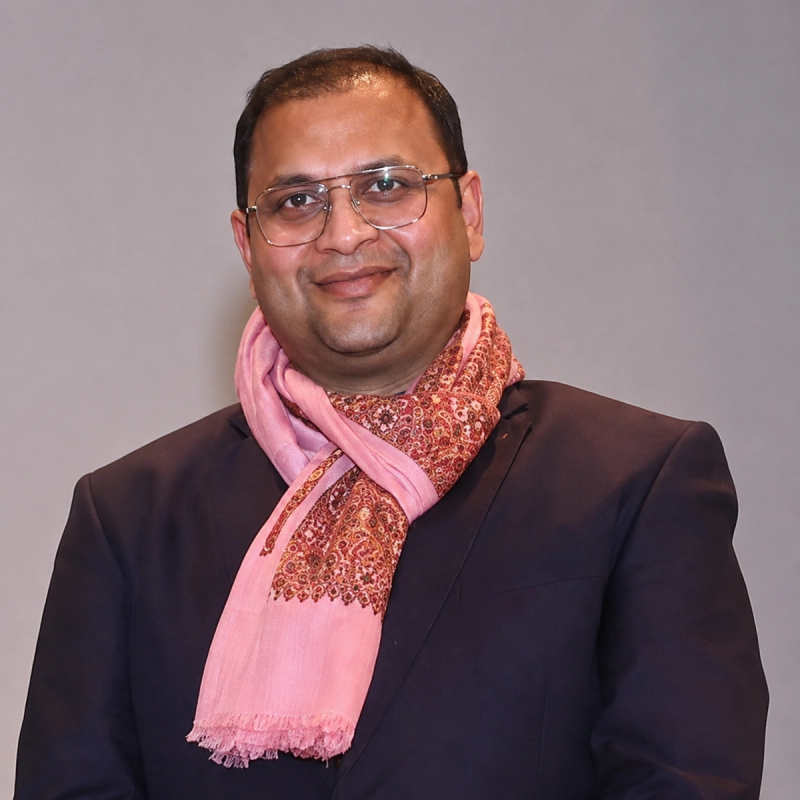
Festival Advisor

Dr Pankaj KP Shreyaskar is a career bureaucrat of the 2000 batch who has served in several key positions across the Government of India and is currently Joint Secretary in the Ministry of Education. He is also a noted author, columnist, and poet, having written three books, more than fifty articles, and numerous poems. His poetic voice in Hindi was first recognised in 1996, when one of his poems was published in the renowned Hindi magazine Kadambini. During his university years in Delhi he wrote several ballets, including Toota Ye Vishwas Kyun, performed by a prominent Kathak danseuse of the city. His first collection of poems is expected to be published shortly.

Sh. Ganga Kumar

Sh. Ganga Kumar

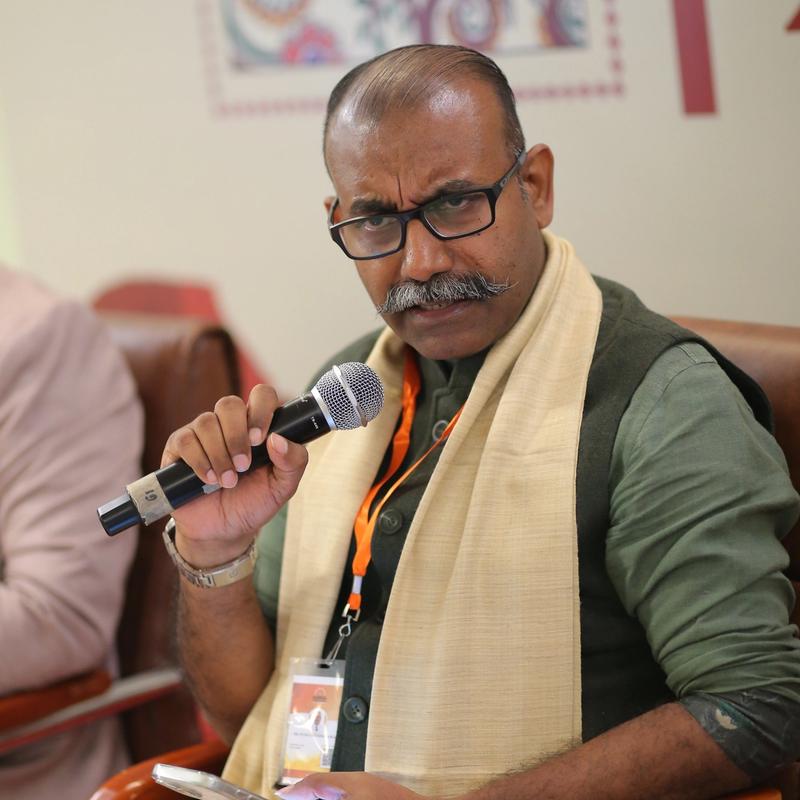
Festival Director

Shri Ganga Kumar is a career bureaucrat and social activist deeply committed to the preservation and promotion of India's cultural heritage. An M.Phil. graduate of the University of Delhi and a gold medallist in his post-graduation, he has made significant contributions to heritage conservation in Bihar. He is the author of the four-volume series Bihar Ke Sanskritik Dharohar, as well as Kalpvriksh and Kalaazar Menace in Bihar, works that together address cultural heritage, environmental awareness, and public health. In recognition of his contributions across engineering, art, and culture, he has received more than ten state and national awards, including the Visvesvaraya Memorial Award.

How We Work

Built to Last, Built Responsibly

NLF works with government ministries, universities across India and Asia, cultural councils and embassies, publishing houses, and knowledge platforms to bring its programmes to life.

A Green Festival

We are committed to a zero-plastic policy, local sourcing and crafts, and carbon-neutral targets, so that a festival about legacy leaves a lighter footprint of its own.